All product sourcing

Abmia Shippers · Trade Desk

Stone Flower (Kalpasi) sourcing, wholesale supply and export

Abmia Shippers facilitates commercial sourcing enquiries for Stone Flower, a specialty dried lichen used as a culinary spice and botanical ingredient. Also traded under names such as Kalpasi and Dagad Phool, this product is valued for its distinctive earthy, woody and aromatic characteristics. Buyers can enquire about whole dried material, cleaned and sorted grades, bulk quantities, product inspection, botanical identification, packaging, supplier verification and international export arrangements. Actual species, country of origin, available quantity, grade, food-use suitability and export eligibility must be confirmed for each supplier lot before purchase.

Botanical / trade identification: Lichen; commonly associated with Parmotrema perlatum, subject to botanical verification

This page is a sourcing brief, not a stock offer or guarantee of current availability. Confirm product identity, origin, price, quantity and compliance for your order.
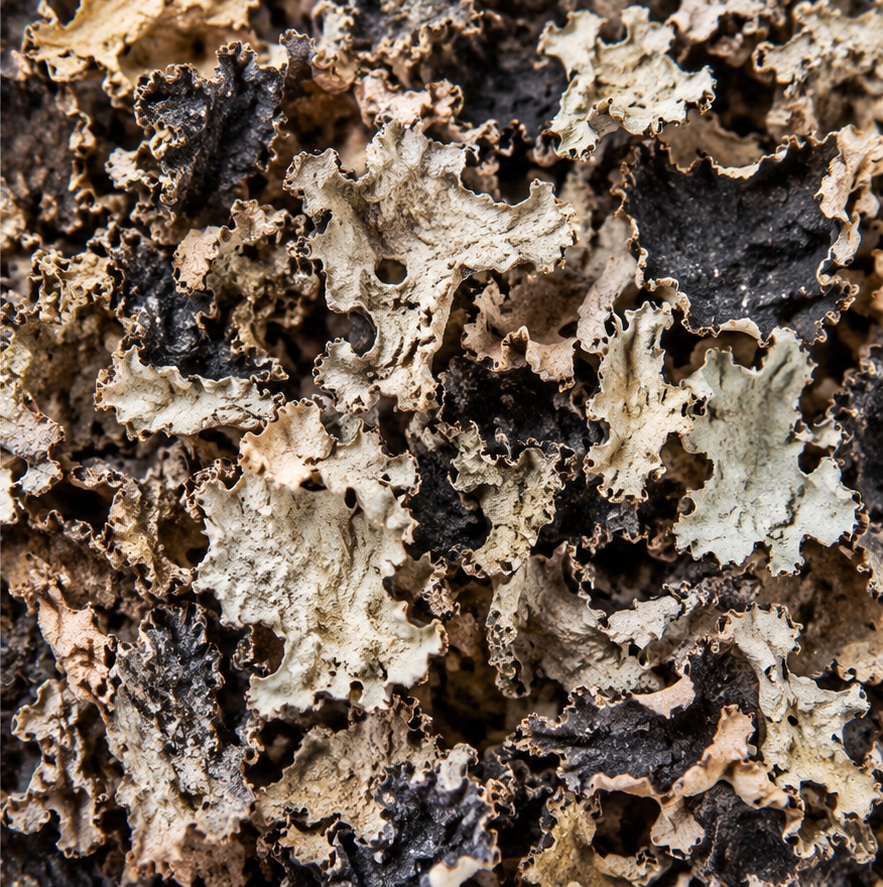
Stone Flower product

Category

Spices & botanicals

Commercial status

Enquiry-based sourcing

Product sourcing brief

Origin, quality and supply considerations

Potential sourcing areas below are starting points for supplier discovery, not confirmation that a supplier or quantity is currently available. Exact origin, grade, crop year and quantity should be verified for each order.

Potential sourcing regions

Country of origin to be confirmed for every supplier and batchCollection location and geographical source to be documentedSupplier collection or aggregation centres to be verifiedHarvesting environment and ecological source to be assessedAfrican sourcing opportunities subject to verified species identification and lawful availabilityInternational sourcing options may be considered where the buyer requires a specific species or established commercial originNo Nigerian collection origin is assumed without supplier documentation

Seasonality: Stone Flower is a wild-collected lichen product rather than a conventional cultivated agricultural crop. Availability can vary by species, geographical distribution, habitat conditions, harvesting restrictions, seasonal weather, collection practices, local aggregation and supplier inventory. Collection periods must be confirmed with the actual source community or supplier. Commercial availability should not be assumed to be continuous or unlimited. Before placing an order, confirm current stock, collection date, collection location, available tonnage, sustainable harvesting conditions and the legality of trade in the identified species.

Proposed quality checklist

Use these points to prepare the buyer specification. Numerical limits and testing must be agreed in writing for the specific commodity and destination.

  • BOTANICAL IDENTITY: Confirm the accepted scientific name, species, genus and commercial identity before purchase. The name Stone Flower or Kalpasi alone is not sufficient to establish species identity.
  • SPECIES VERIFICATION: Where the buyer requires Parmotrema perlatum or another particular lichen species, obtain identification from a qualified botanist or competent laboratory.
  • PRODUCT AUTHENTICITY: Confirm that the material is genuine lichen and not substituted with unrelated plant matter, bark, moss, soil, other lichens or artificial material.
  • COUNTRY OF ORIGIN: Obtain a supplier declaration identifying the country, state, region and collection area where traceability is available.
  • HARVESTING LEGALITY: Confirm lawful collection, land access permissions, applicable harvesting restrictions and any required environmental or collection permits.
  • SUSTAINABILITY: Assess collection practices, harvesting pressure, habitat protection and the supplier's ability to demonstrate responsible sourcing.
  • APPEARANCE: Agree acceptable colour, natural appearance, texture, degree of fragmentation and visible condition using an approved reference sample.
  • AROMA: Confirm the expected natural earthy, woody and characteristic aromatic profile. Reject lots with unusual chemical, musty, rancid or putrid odours.
  • CLEANLINESS: Inspect for soil, sand, stones, bark, wood, leaves, moss, unrelated lichens and other foreign materials.
  • FOREIGN MATTER: Agree maximum permissible foreign matter by weight with the buyer before shipment. Record inspection results for each lot.
  • MOISTURE: Establish a buyer-approved moisture limit and verify it using a suitable testing method. Do not assume one universal moisture specification applies to every species or market.
  • MOULD: Material must be free from visible mould, fungal growth, damp patches and signs of deterioration.
  • INFESTATION: Inspect for live insects, larvae, eggs, webbing, droppings and evidence of pest damage.
  • FRAGMENTATION: Agree acceptable proportions of whole pieces, broken pieces, fines and powder according to the intended application.
  • CONTAMINANTS: Assess possible contamination from soil, collection surfaces, transport containers, chemicals and unsuitable storage environments.
  • PESTICIDE RESIDUES: Conduct residue testing where required by the destination market, buyer or applicable food regulations.
  • HEAVY METALS: Test for relevant heavy metals where required by the destination market or buyer's risk assessment.
  • MICROBIOLOGICAL SAFETY: Food-grade lots may require testing for relevant microorganisms, including Salmonella, E. coli, yeast and mould, based on the buyer's specification and destination requirements.
  • MYCOTOXINS: Assess mycotoxin risk where appropriate to the product's collection, handling and storage history and applicable regulatory requirements.
  • FOOD-GRADE SUITABILITY: Confirm that the material is suitable for its intended culinary use and meets the applicable food safety requirements in the importing country.
  • LABELLING: Product labels should accurately state the product name, verified species where applicable, country of origin, net weight, lot identification and other mandatory information.
  • SAMPLE APPROVAL: Obtain buyer approval of a representative sample before confirming a commercial shipment.
  • BATCH CONSISTENCY: Confirm that the bulk shipment corresponds to the approved sample in species, appearance, aroma, cleanliness and agreed quality parameters.
  • PRE-SHIPMENT INSPECTION: Arrange independent inspection, photography, weight verification and sampling where required by the buyer.

Sample and inspection

Agree a representative sample, inspection scope, testing laboratory and acceptance criteria before dispatch.

Documentation

Confirm commercial invoice, packing list, origin evidence, certificates and permits required for this product and destination.

Logistics coordination

Confirm packaging, weight, loading plan, route, Incoterm, freight, insurance and delivery responsibilities in the quotation.

Abmia Shippers · Trade Desk

Need stone flower for your business?

Send your target quantity, destination, product form, quality requirements, packaging and preferred shipment date. Our team can assess the sourcing brief and outline the checks and coordination needed.