All product sourcing

Abmia Shippers · Trade Desk

African Olibanum Gum (Frankincense) sourcing, wholesale supply and export

Abmia Shippers facilitates commercial sourcing enquiries for natural Olibanum Gum, widely traded as Frankincense, from verified African suppliers and other established producing markets. Frankincense is an aromatic natural oleo-gum-resin obtained from trees belonging to the Boswellia genus. It is commercially valued by incense manufacturers, fragrance and perfume producers, cosmetic manufacturers, essential oil processors, traditional product manufacturers and botanical ingredient distributors. Commercial varieties differ according to botanical species, geographical origin, resin characteristics, harvesting practices and grade. Buyers can enquire about raw resin tears, selected grades, cleaned resin, sorted material, crushed resin and other agreed processing formats. Species identification, origin, resin grade, aroma, colour, cleanliness, available tonnage, sustainability, legal harvesting status and destination-market requirements must be confirmed before purchase.

Botanical / trade identification: Boswellia spp. (including Boswellia sacra, Boswellia carterii, Boswellia frereana and Boswellia papyrifera; exact species to be verified)

This page is a sourcing brief, not a stock offer or guarantee of current availability. Confirm product identity, origin, price, quantity and compliance for your order.
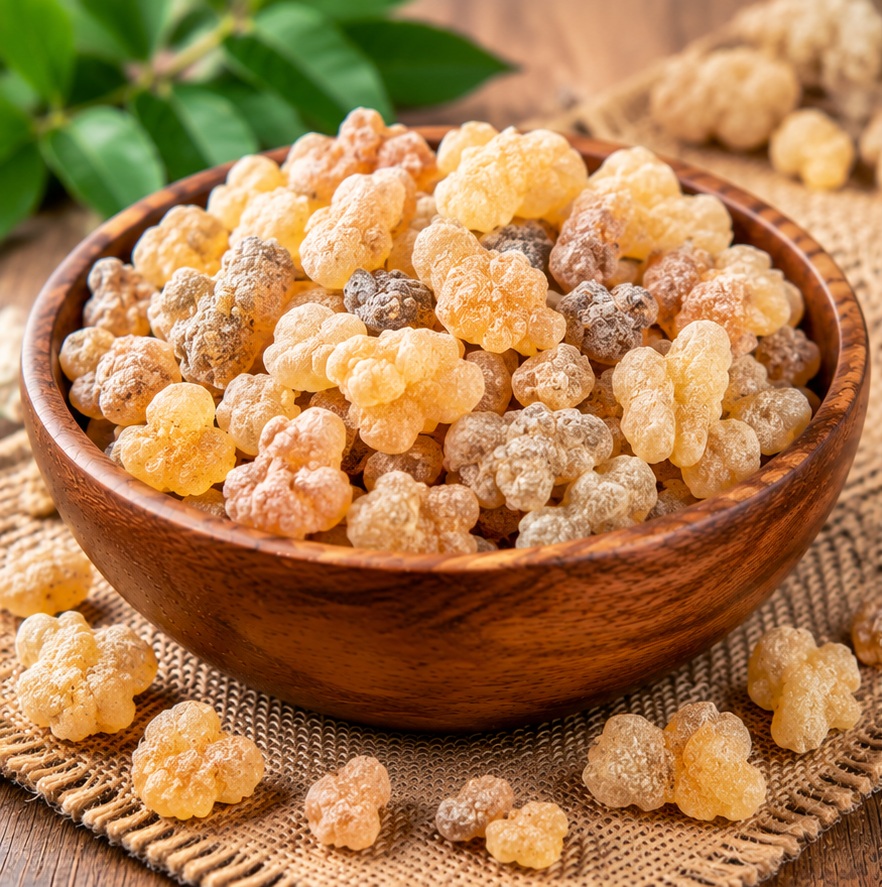
Olibanum Gum product

Category

Resins & botanicals

Commercial status

Enquiry-based sourcing

Product sourcing brief

Origin, quality and supply considerations

Potential sourcing areas below are starting points for supplier discovery, not confirmation that a supplier or quantity is currently available. Exact origin, grade, crop year and quantity should be verified for each order.

Potential sourcing regions

Somalia: established Frankincense-producing areas; exact collection region and species to be confirmedEthiopia: sourcing opportunities for selected Boswellia species, subject to supplier and origin verificationEritrea: potential sourcing origin for Boswellia papyrifera and other verified regional materialSudan: sourcing opportunities subject to verified species, lawful collection and supplier availabilityOther East African sourcing areas where suitable Boswellia species occur and commercial supply is verifiedHorn of Africa sourcing networks subject to traceability, collection permissions and export eligibilityOman and Yemen may be considered as alternative international origins when buyers require particular Frankincense varietiesCountry of origin, producing region, collection location and aggregation centre must be documented for each commercial batchNo Nigerian origin is assumed without evidence of actual production and collection

Seasonality: Frankincense is a wild-harvested natural resin obtained from Boswellia trees rather than a conventional cultivated agricultural crop. Collection and supply are influenced by the species, geographical distribution, rainfall, temperature, tree condition, tapping practices, collection cycles, local harvesting permissions and regional trade conditions. Different Boswellia species and producing regions can have different collection periods and commercial availability. Buyers should confirm the collection season, actual stock, collection date, available quantity, species, grade and storage condition with the supplier. Continuous supply should not be assumed, particularly for specialised or premium resin varieties. Large-volume orders may require advance aggregation, grading, inspection and coordination with producing communities.

Proposed quality checklist

Use these points to prepare the buyer specification. Numerical limits and testing must be agreed in writing for the specific commodity and destination.

  • BOTANICAL IDENTIFICATION: Identify the Boswellia species before purchase. The commercial name Frankincense or Olibanum alone does not establish the botanical identity.
  • SPECIES CLASSIFICATION: Distinguish Boswellia sacra, Boswellia carterii, Boswellia frereana, Boswellia papyrifera and other commercially available species according to buyer requirements and verified botanical identification.
  • COUNTRY OF ORIGIN: Confirm the producing country and geographical origin through supplier declarations and supporting traceability records.
  • COLLECTION TRACEABILITY: Record the collection area, harvesting community or supplier, aggregation location, collection period and batch reference where available.
  • HARVESTING LEGALITY: Verify that the resin was collected under lawful harvesting arrangements and that any required permits or community permissions are available.
  • SUSTAINABLE SOURCING: Assess collection practices, tree health, tapping frequency, regeneration and environmental conditions. Avoid suppliers unable to demonstrate responsible collection practices where required.
  • RESIN AUTHENTICITY: Confirm that the material is genuine Boswellia resin and has not been mixed with unrelated resins, synthetic substances, fillers or artificial fragrance materials.
  • RESIN GRADE: Agree the commercial grade and grading method before purchase. Grade names and classifications can vary between producing countries and suppliers.
  • COLOUR: Assess the natural resin colour, uniformity and buyer-approved appearance. Colour may vary with species, origin, age, resin condition and grade.
  • TEAR SIZE: Specify the required resin tear size, including large tears, medium tears, small tears, granules or mixed-size material.
  • PHYSICAL CONDITION: Inspect the resin for cracks, excessive fragmentation, deterioration, unusual surface deposits and other unacceptable physical conditions.
  • AROMA: Assess the natural aromatic profile. Agree acceptable fragrance characteristics with the buyer because different Boswellia species and origins have different aromatic properties.
  • FOREIGN MATTER: Inspect for bark, wood, leaves, sand, stones, dust, soil and unrelated plant material. Agree maximum permissible foreign matter by weight.
  • CLEANLINESS: Establish whether the buyer requires raw resin or cleaned and hand-sorted material. Record the cleaning method and any applicable processing losses.
  • MOISTURE: Measure moisture using a suitable agreed testing method. Set acceptable limits according to species, grade, storage condition and intended application.
  • RESIN COMPOSITION: Where required, request appropriate analytical information about resin, gum and volatile oil fractions. Composition can differ significantly between species.
  • VOLATILE OIL CONTENT: For essential oil processing buyers, assess volatile oil content and other relevant characteristics using an agreed laboratory method.
  • CHEMICAL PROFILE: Where required, use suitable chromatographic analysis, such as GC-MS, to assess volatile constituents and compare the material with the buyer's reference specification.
  • ASH CONTENT: Test total ash or other applicable mineral residue parameters where specified by the buyer.
  • ACID AND OTHER CHEMICAL VALUES: Establish applicable chemical quality parameters with the buyer or processor rather than assuming one universal specification applies to every Boswellia species.
  • ADULTERATION: Check for added oils, artificial fragrances, unrelated resins, waxes, fillers and other substances that could alter the natural product.
  • MOULD AND DETERIORATION: Reject resin with visible mould, unusual dampness, deterioration or unacceptable storage-related contamination.
  • PEST CONTROL: Inspect storage areas and product batches for insect infestation, larvae and contamination from pests.
  • HEAVY METALS: Conduct relevant heavy-metal testing where required by the destination market, buyer or intended application.
  • PESTICIDE RESIDUES: Carry out residue testing where relevant to the collection environment, destination regulations and buyer specification.
  • MICROBIOLOGICAL TESTING: Where the intended application requires it, establish suitable microbiological limits and arrange testing through an appropriate laboratory.
  • FOOD AND COSMETIC APPLICATIONS: Confirm the applicable regulatory status and safety documentation before representing any resin as suitable for food, cosmetic or pharmaceutical use.
  • ESSENTIAL OIL PROCESSING: Buyers intending to distil the resin should specify the required species, volatile oil characteristics, resin condition and processing suitability.
  • SAMPLE APPROVAL: Supply representative samples for buyer evaluation and approval before confirming bulk orders.
  • CERTIFICATE OF ANALYSIS: Obtain batch-specific laboratory reports where available, identifying test methods, parameters and actual results.
  • BATCH CONSISTENCY: Confirm that the bulk shipment corresponds to the approved sample in species, colour, tear size, aroma, cleanliness and agreed quality parameters.
  • PRE-SHIPMENT INSPECTION: Arrange independent inspection, sampling, photography, weight verification and packaging checks where required.

Sample and inspection

Agree a representative sample, inspection scope, testing laboratory and acceptance criteria before dispatch.

Documentation

Confirm commercial invoice, packing list, origin evidence, certificates and permits required for this product and destination.

Logistics coordination

Confirm packaging, weight, loading plan, route, Incoterm, freight, insurance and delivery responsibilities in the quotation.

Abmia Shippers · Trade Desk

Need olibanum gum for your business?

Send your target quantity, destination, product form, quality requirements, packaging and preferred shipment date. Our team can assess the sourcing brief and outline the checks and coordination needed.