All product sourcing

Abmia Shippers · Trade Desk

Nigerian and African Gum Arabic sourcing, wholesale supply and export

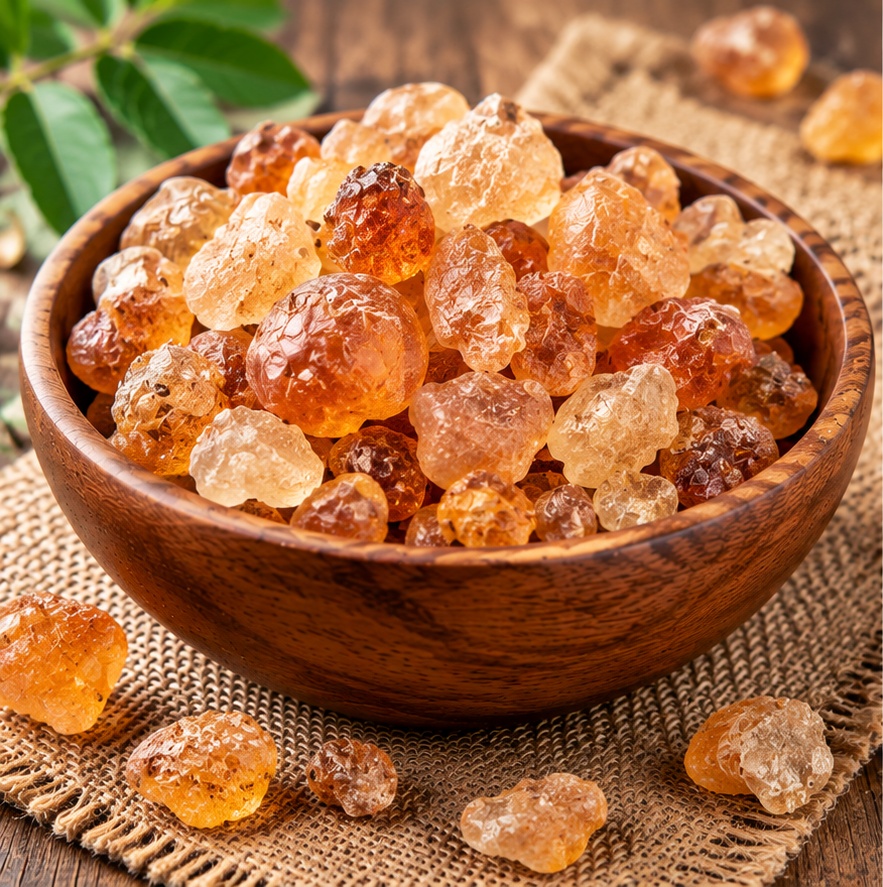
Abmia Shippers facilitates commercial sourcing enquiries for natural Gum Arabic from Nigeria and other African markets. Gum Arabic, also known as Acacia gum, is a natural exudate obtained from selected Acacia tree species and traded in raw nodules, cleaned tears, sorted grades and processed forms. The two commercially important types include Hashab from Acacia senegal and Talha from Vachellia seyal. Gum Arabic is used in food and beverage manufacturing, confectionery, pharmaceuticals, cosmetics, printing, adhesives and other industrial applications. Buyers can enquire about species-specific sourcing, commercial grades, bulk quantities, supplier verification, laboratory testing, packaging, export documentation and international logistics. Species, origin, grade, availability, food-grade suitability and final prices must be confirmed for every supplier lot.

Botanical / trade identification: Acacia senegal (Hashab) / Vachellia seyal (Talha; also known as Acacia seyal)

This page is a sourcing brief, not a stock offer or guarantee of current availability. Confirm product identity, origin, price, quantity and compliance for your order.
Gum Arabic product

Category

Natural gums & industrial ingredients

Commercial status

Enquiry-based sourcing

Product sourcing brief

Origin, quality and supply considerations

Potential sourcing areas below are starting points for supplier discovery, not confirmation that a supplier or quantity is currently available. Exact origin, grade, crop year and quantity should be verified for each order.

Potential sourcing regions

Yobe State, NigeriaBorno State, NigeriaJigawa State, NigeriaOther northern Nigerian sourcing areas subject to verified supplier availabilitySahel and Sudanian ecological zones where suitable Acacia species occurOther African origins available by enquiry and subject to supplier verificationCollection areas and aggregation centres must be documented for each supplierCountry, state, collection location and botanical species must be confirmed before commercial purchase

Seasonality: Gum Arabic is a natural tree exudate collected from suitable Acacia species rather than a conventional harvested grain crop. Production and collection are influenced by tree condition, rainfall patterns, seasonal climatic conditions, tapping and collection practices, local harvesting arrangements and supplier inventory. Availability can vary between Hashab and Talha and across different collection regions. Buyers should confirm current stock, species, collection period, available quantity, storage condition and aggregation capacity with suppliers. Commercial supply should be confirmed before making delivery commitments, as availability and prices may change with seasonal collection, demand, export activity and local market conditions.

Proposed quality checklist

Use these points to prepare the buyer specification. Numerical limits and testing must be agreed in writing for the specific commodity and destination.

  • SPECIES IDENTIFICATION: Confirm whether the product is Hashab from Acacia senegal or Talha from Vachellia seyal. Species identification must be documented and should not rely solely on the supplier's trade name.
  • PRODUCT AUTHENTICITY: Confirm that the material is genuine natural Acacia gum and has not been substituted or mixed with unrelated tree gums, starches, fillers or artificial materials.
  • COUNTRY OF ORIGIN: Verify the country of production and origin. Obtain supplier declarations and supporting traceability documents where available.
  • SOURCE TRACEABILITY: Record the collection region, aggregation centre, supplier identity, collection period and batch identification.
  • COMMERCIAL GRADE: Agree the applicable commercial grade, classification, intended use and buyer acceptance criteria before purchase.
  • COLOUR: Assess natural colour and uniformity. Depending on species and grade, material may range from pale white or cream to yellow, amber and darker shades.
  • PHYSICAL APPEARANCE: Inspect the size, shape, transparency, surface condition and general appearance of gum nodules or tears.
  • PURITY: Check that the product meets the agreed purity requirements and is not diluted with foreign substances.
  • FOREIGN MATTER: Inspect for sand, stones, bark, wood, leaves, dust, soil and other extraneous materials. Agree maximum permitted levels before shipment.
  • MOISTURE CONTENT: Measure moisture using an agreed testing method. Establish acceptable limits according to the species, grade, processing method and destination specification.
  • SOLUBILITY: Assess solubility and dispersion characteristics where relevant to the buyer's intended application.
  • VISCOSITY: Test viscosity where required, particularly for buyers purchasing gum for food, beverage, pharmaceutical or industrial formulations.
  • EMULSIFYING PERFORMANCE: For functional food and beverage applications, confirm the required emulsification and stabilising performance through suitable testing.
  • PARTICLE SIZE: For powdered or processed products, specify the required particle size, mesh or other applicable distribution parameters.
  • ODOUR: Confirm the expected natural odour and reject material with unusual chemical, musty, rancid or otherwise unacceptable smells.
  • CONTAMINATION: Check for contamination arising from collection, handling, drying, transport, storage and processing.
  • MOULD: Material must be free from visible mould, fungal growth and deterioration caused by excessive moisture or poor storage.
  • INFESTATION: Inspect for live insects, larvae, eggs, droppings, webbing and other signs of pest contamination.
  • MICROBIOLOGICAL SAFETY: Food-grade and other sensitive applications may require testing for Salmonella, E. coli, total plate count, yeast and mould, according to buyer and destination requirements.
  • HEAVY METALS: Test for relevant heavy metals where required by the importing market, product category or buyer's risk assessment.
  • PESTICIDE RESIDUES: Conduct residue analysis where applicable to the destination market and intended use.
  • FOOD SAFETY: Food-grade material must meet applicable food safety and additive requirements in the importing country. E414 identification alone does not establish compliance.
  • PHARMACEUTICAL REQUIREMENTS: Pharmaceutical applications require the appropriate manufacturer documentation, specifications, testing and regulatory acceptance. Ordinary commercial gum should not automatically be represented as pharmaceutical grade.
  • COSMETIC APPLICATIONS: Cosmetic buyers should specify the required purity, microbiological quality, processing condition and relevant ingredient documentation.
  • SAMPLE APPROVAL: Obtain a representative sample and buyer approval before committing to a large commercial shipment.
  • CERTIFICATE OF ANALYSIS: Request a batch-specific certificate of analysis where available, identifying the tests performed and actual results.
  • BATCH CONSISTENCY: Confirm that the commercial shipment matches the approved sample in species, colour, appearance, purity, moisture and agreed functional characteristics.
  • PRE-SHIPMENT INSPECTION: Arrange independent sampling, weight verification, quality inspection and photographic documentation where required.

Sample and inspection

Agree a representative sample, inspection scope, testing laboratory and acceptance criteria before dispatch.

Documentation

Confirm commercial invoice, packing list, origin evidence, certificates and permits required for this product and destination.

Logistics coordination

Confirm packaging, weight, loading plan, route, Incoterm, freight, insurance and delivery responsibilities in the quotation.

Abmia Shippers · Trade Desk

Need gum arabic for your business?

Send your target quantity, destination, product form, quality requirements, packaging and preferred shipment date. Our team can assess the sourcing brief and outline the checks and coordination needed.