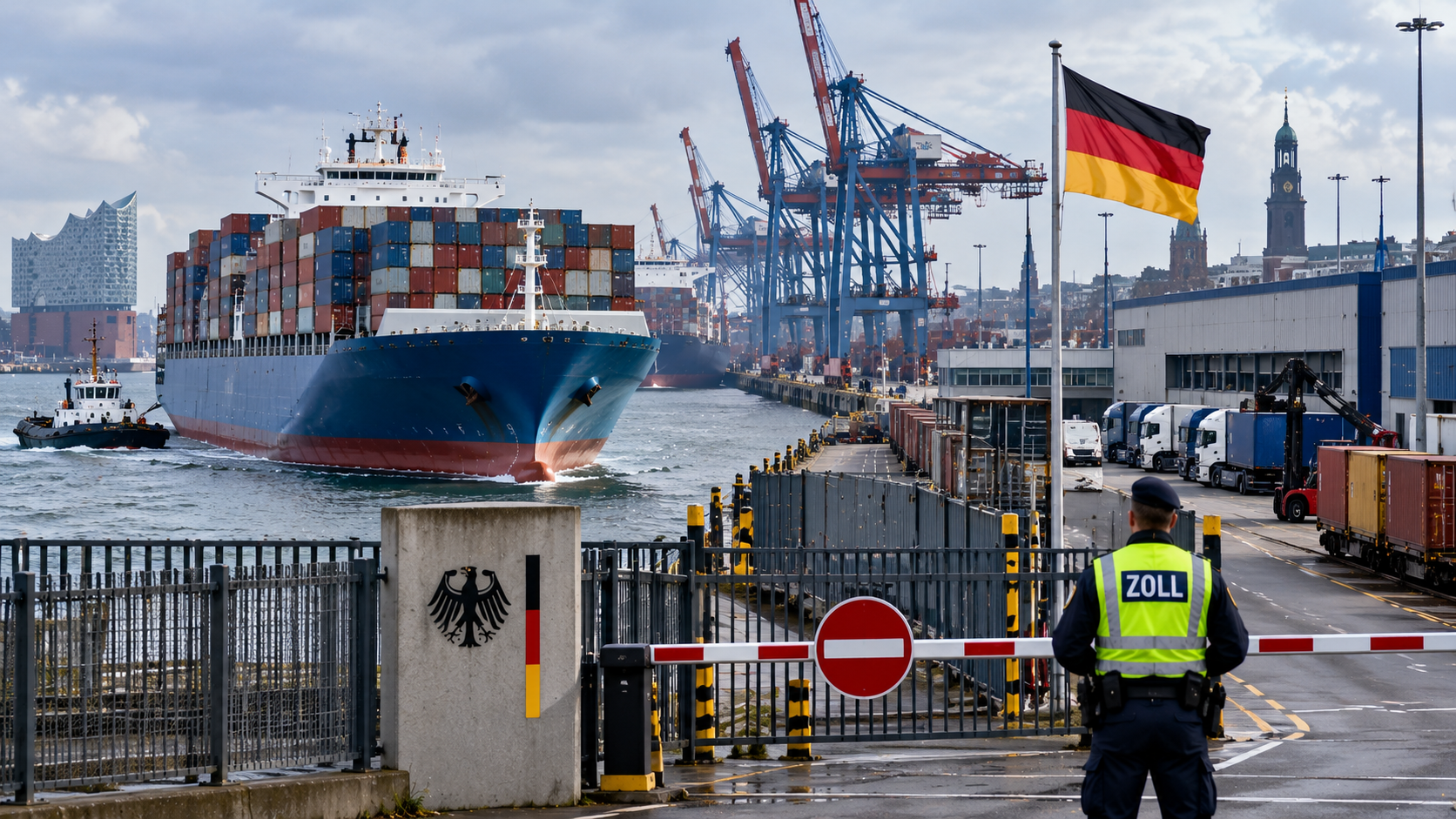
Berlin Stops COSCO-Zippel Deal
The German government has blocked Chinese state-owned shipping group COSCO from acquiring an 80 percent stake in Hamburg-based logistics company Konrad Zippel, citing concerns over national security and supply-chain resilience.
The decision was approved by the German cabinet on October 7 following an investment review. Germany's Economy Ministry said the acquisition could have increased strategic dependencies and weakened the resilience of supply chains in Germany and the European Union.
The decision prevents a transaction that had initially received approval from Germany's competition authorities.
Competition Approval Was Not Enough
Germany's Federal Cartel Office had previously determined that COSCO could acquire 80 percent of Zippel from a competition-law perspective.
However, competition approval did not settle the broader national-security review. Germany's foreign-investment rules allow the government to block transactions involving foreign investors when they are considered a potential threat to public order or security.
Concerns about the transaction reportedly intensified after Germany's domestic intelligence service raised reservations about the proposed acquisition.
Zippel's logistics activities extend beyond ordinary commercial freight. The company transports cargo by road, rail and sea, connecting North Sea ports including Hamburg and Bremerhaven with inland destinations, particularly in eastern Germany.
Strategic Logistics at the Center of the Dispute
The security concerns are linked partly to Zippel's role in Germany's wider logistics network.
German media reports have indicated that the company provides logistics support connected to the German armed forces and NATO. Government concerns therefore went beyond Zippel's relatively modest position in the commercial freight market and focused on the potential strategic implications of foreign control over part of the supply chain.
The company, founded in 1876, employs around 350 people and specializes in transporting containers from major North Sea ports to inland locations.
Zippel's management has defended the proposed transaction, with managing director Axel Plaß saying the company still considered its original business decision appropriate despite the government's intervention.
COSCO Already Has a Hamburg Port Stake
The decision adds another chapter to Germany's debate over COSCO's presence in Hamburg.
COSCO already owns a 24.99 percent stake in the Tollerort container terminal, following a politically contentious agreement reached in 2022. Germany ultimately permitted the minority investment while preventing the larger stake that COSCO had originally sought.
The latest decision therefore represents a different approach from the Tollerort compromise, with Berlin stopping the proposed majority acquisition of a logistics company connected to the wider port and inland transport network.
Germany Takes a More Cautious Investment Approach
The Zippel decision comes as European governments increasingly examine foreign investment in sectors considered strategically important, including ports, transportation, energy, telecommunications and critical supply chains.
For Germany, the issue is particularly sensitive because the country remains heavily dependent on international trade and its major ports serve as gateways to industrial regions across Europe.
The government has stressed that Germany remains open to foreign investment but argues that individual transactions can be restricted when they pose potential security risks.
For COSCO, the failed acquisition represents another setback in expanding its presence beyond maritime transport and into European inland logistics.
For the European shipping and logistics sector, meanwhile, the decision signals that ownership of critical transport infrastructure is increasingly being viewed through both a commercial and national-security lens.